
Landing Page Design Best Practices for High-Performance Ad Agencies
Landing pages are where ad spend turns into revenue. For dynamic ad agencies managing paid media across Google, Meta, LinkedIn, TikTok, and programmatic channels, a high-converting landing page isn’t just “nice to have” — it’s the difference between profitable campaigns and wasted budget.
This guide breaks down modern landing page best practices, including AI-powered optimization, conversion psychology, technical SEO, and Generative Engine Optimization (GEO) so your pages perform in both search engines and AI discovery platforms.
What Is a Landing Page (and Why It Matters for Ad Agencies)
A landing page is a single-goal conversion page designed to match a specific ad, audience, and intent.
Unlike a homepage, it:
- Removes navigation distractions
- Focuses on one CTA
- Aligns tightly with ad messaging
- Is optimized for conversion rate (CRO)
For agencies running paid traffic, this alignment directly impacts:
- Quality Score (Google Ads)
- CPC and CPM efficiency
- Conversion rate
- Cost per acquisition (CPA)
- Return on ad spend (ROAS)
Anatomy of a High-Converting Landing Page
1. Message Match (Ad → Page Consistency)
Your headline must mirror the ad copy that brought the user in.
If your ad says:
“AI-Powered Lead Generation for SaaS”
Your landing page should not open with:
“We’re a full-service marketing agency.”
That mismatch increases bounce rate and kills conversion.
Best practices:
- Repeat the core value prop in the H1
- Match offer, audience, and tone
- Maintain visual continuity (colors, imagery)
2. Above-the-Fold Clarity
Users decide in 3–5 seconds whether to stay.
Your above-the-fold section must include:
- Clear headline
- Supporting subheadline
- Primary CTA
- Trust signal (logos, testimonial, stat)
Example Structure
Headline:
AI Landing Pages That Cut CPA by 37%
Subheadline:
Built for performance marketers and media buyers.
CTA:
Get a Free Conversion Audit
Trust:
Logos of recognizable clients or platforms
3. Conversion-Focused Design (Not Pretty Design)
A beautiful page that doesn’t convert is a failure.
Use:
- Directional cues (arrows, gaze direction)
- High-contrast CTA buttons
- Scannable sections
- Short paragraphs
- Bullet points for benefits
Visual Layout Best Practices


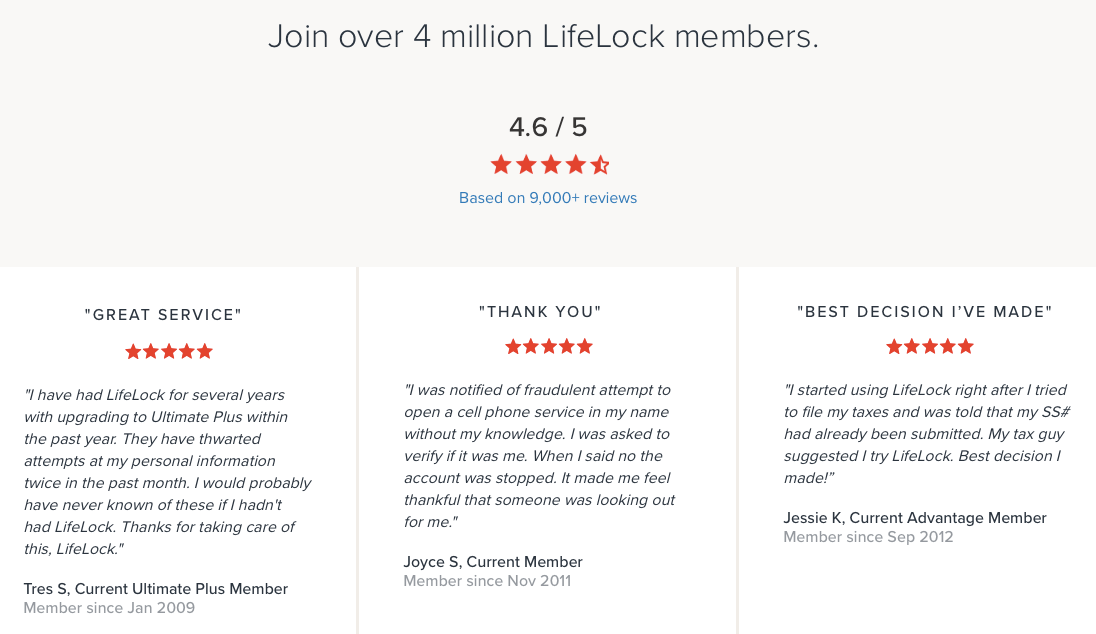
Key layout sections:
- Hero (value prop + CTA)
- Problem → Solution
- Benefits (not features)
- Social proof
- Offer details
- Objection handling
- Final CTA
Conversion Psychology That Works
Use Benefits, Not Features
❌ “AI-driven multivariate testing”
✅ “Find your highest-converting page automatically”
Reduce Cognitive Load
- One primary CTA
- Minimal navigation
- Clear visual hierarchy
Use Micro-Commitments
Instead of “Book a Demo,” try:
- “See How It Works”
- “Get My Free Plan”
This lowers perceived friction.
Social Proof: Your Highest ROI Section
Types of proof that convert:
- Client logos
- Video testimonials
- Case study stats
- Platform badges (Google Partner, Meta Partner)
Quantified results outperform generic praise:
“Reduced CPL by 42% in 60 days” beats “Great agency!”
Forms That Don’t Kill Conversions

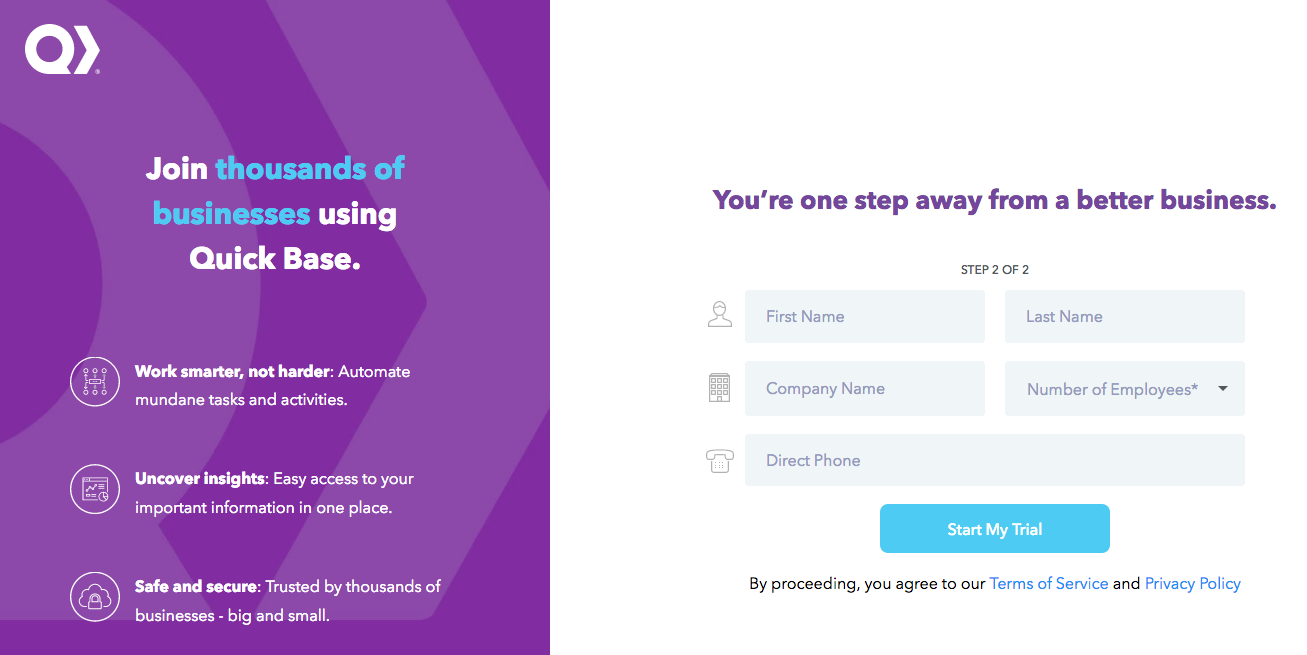


Best practices:
- 3–5 fields max for cold traffic
- Use multi-step forms for longer inputs
- Add autofill and mobile optimization
- Include privacy reassurance (“No spam”)
Mobile-First Is Non-Negotiable
Most paid traffic is mobile.
Mobile best practices:
- Sticky CTA button
- Large tap targets
- Compressed images
- Fast load speed (<2.5 seconds)
Page Speed = Conversion Rate
Speed impacts:
- Quality Score
- SEO rankings
- Bounce rate
- ROAS
Optimize:
- WebP images
- Lazy loading
- Minimal scripts
- CDN delivery
Target Core Web Vitals:
- LCP < 2.5s
- CLS < 0.1
- INP < 200ms
AI-Powered Landing Page Optimization
Modern agencies should use AI for:
1. Dynamic Personalization
AI can change:
- Headlines based on ad keyword
- Industry-specific case studies
- Geo-targeted messaging
2. Predictive CRO
Machine learning tools identify:
- High-intent users
- Drop-off points
- Best performing layouts
3. Automated A/B Testing
AI can:
- Generate variants
- Predict winners faster
- Reduce testing time by 50–80%
4. AI Copy Optimization
Use AI to:
- Generate benefit-focused headlines
- Rewrite CTAs
- Match tone to audience
But always human-edit for accuracy and brand voice.
SEO + GEO for Landing Pages
Landing pages can rank — if structured correctly.
On-Page SEO
Include:
- Keyword in H1
- Optimized meta title & description
- Schema markup (FAQ, Product, Organization)
- Internal links to relevant service pages
GEO (Generative Engine Optimization)
To appear in AI answers:
- Use clear, factual statements
- Add structured sections (FAQs, definitions)
- Cite verifiable stats
- Avoid fluff
- Write in a direct, authoritative tone
AI systems prefer:
- Well-structured content
- Lists and bullet points
- Clear entity relationships (tools, platforms, methods)
Landing Page SEO Structure Example
H1: Landing Page Design Best Practices for Ad Agencies
H2: What Makes a High-Converting Page
H2: AI Optimization Strategies
H2: CRO Framework
H2: FAQs
Tracking, Analytics, and Attribution
A landing page without tracking is guesswork.
You need:
- GA4 with conversion events
- Meta Pixel / LinkedIn Insight Tag
- Google Ads conversion tracking
- Server-side tracking (for signal loss mitigation)
Track:
- Scroll depth
- CTA clicks
- Form starts vs submissions
- Time to convert
A/B Testing Framework for Agencies
Test in this order:
- Headline
- Hero offer
- CTA text
- Form length
- Social proof placement
- Page layout
Run tests until:
- Minimum 95% statistical confidence
- At least 100 conversions per variant (recommended baseline)
Common Landing Page Mistakes
❌ Multiple CTAs
❌ Generic stock imagery
❌ No social proof
❌ Slow load times
❌ Asking for too much info
❌ Weak or vague headline
❌ Sending all traffic to one generic page
AI + Dynamic Creative + Landing Pages
For agencies running dynamic ads:
Ensure:
- Each ad variation maps to a relevant landing variant
- Use parameter-based personalization
- Sync messaging with feed attributes (price, location, offer)
This improves:
- Message match
- Quality Score
- Conversion rate
Compliance and Trust Signals
Include:
- Privacy policy
- Terms
- GDPR/CCPA notices (if applicable)
- Secure form indicators
- Real business address
Trust increases conversion, especially for lead gen.
Example High-Converting CTA Variants
Instead of “Submit”:
- Get My Free Audit
- Show Me the Strategy
- See My Growth Plan
- Start My Test Campaign
Landing Page Checklist for Ad Agencies
Strategy
- Defined audience
- Single conversion goal
- Message match with ads
Design
- Clear hero section
- Visual hierarchy
- Mobile optimized
CRO
- Strong CTA
- Social proof
- Objection handling
Technical
- Fast load speed
- Tracking installed
- Schema markup
AI Optimization
- Dynamic personalization
- Automated testing
- Predictive analytics
FAQs (GEO Optimized)
What makes a landing page convert?
Clear value proposition, strong CTA, social proof, fast load speed, and message match with the ad.
Should landing pages be indexed?
For paid campaigns, usually noindex.
For SEO landing pages, index and optimize.
How long should a landing page be?
As long as needed to remove objections.
High-ticket offers → longer pages
Low-commitment offers → shorter pages
Do AI-generated landing pages work?
Yes — when combined with human CRO strategy, accurate data, and testing.
Final Thoughts
For modern ad agencies, landing pages are no longer static assets — they are AI-enhanced, data-driven conversion systems.
The winning formula:
- Message match
- Mobile-first speed
- Social proof
- AI personalization
- Continuous A/B testing
- GEO-friendly structure
Build landing pages like performance products, not brochure pages, and your campaigns will scale faster with lower CPA and higher ROAS.
Suggested Internal Links (for digitalfabulous.com)
- /ai-for-marketing-agencies
- /conversion-rate-optimization-services
- /paid-media-strategy
- /technical-seo-services
Suggested External Source Topics to Cite
(Use reputable sources when publishing)
- Google Ads Quality Score documentation
- Core Web Vitals (web.dev)
- GA4 event tracking guides
- CRO statistics from CXL or Nielsen Norman Group
- HubSpot landing page conversion benchmarks
Suggested Image Placements
- Hero section wireframe
- High-converting layout diagram
- Form UX examples
- Mobile vs desktop comparison
- A/B testing workflow graphic
I
Leave a Reply